
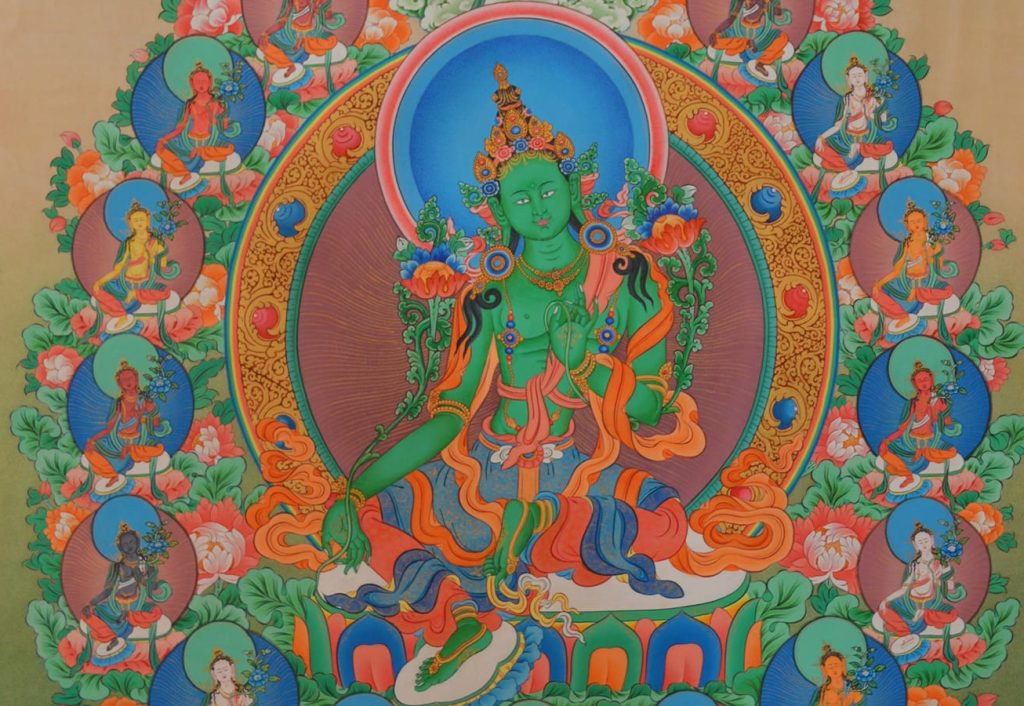
“Painting is a timeless form of expression, and every art lover should know about the different types of paintings. From the lifelike detail of realism and the emotional depth of expressionism to the dreamlike scenes of surrealism, vibrant watercolors, rich oil paintings, and versatile acrylics, this guide explores popular painting styles and techniques. Whether you’re an aspiring artist or simply love art, learn how each style captures imagination, creativity, and beauty in its unique way.”
Different Types of Paintings: A Simple Guide for Art Lovers
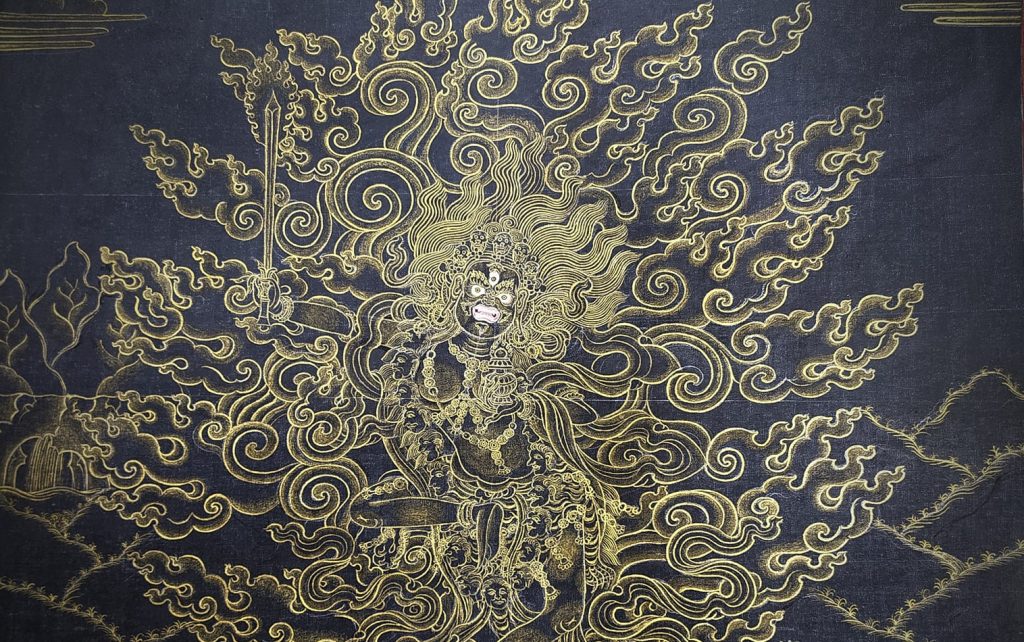
Art has always been a reflection of human creativity, imagination, and culture. From cave drawings thousands of years ago to digital art today, painting has remained one of the most powerful forms of expression. If you are an art enthusiast or a beginner trying to learn more, exploring the different types of paintings will help you understand the diversity and beauty of this creative world.
In this article, we’ll dive into the most popular painting styles and techniques that have shaped the art world.
1. Realism Painting
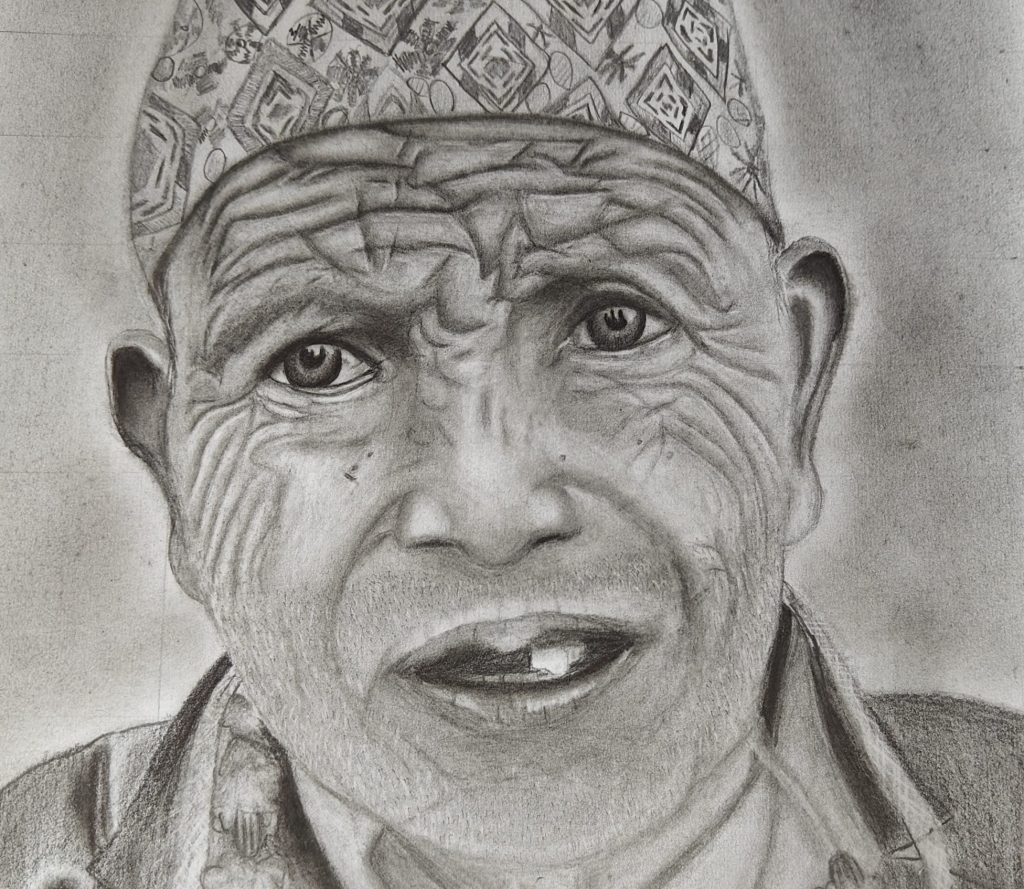
Realism is all about representing subjects as they appear in everyday life. Artists who paint in this style focus on accuracy, detail, and lifelike visuals. For example, a realistic portrait captures human expressions, emotions, and physical features with high precision. This type of painting is admired for its ability to mirror reality on canvas.
Best for: Portraits, landscapes, and still-life art.
2. Abstract Painting
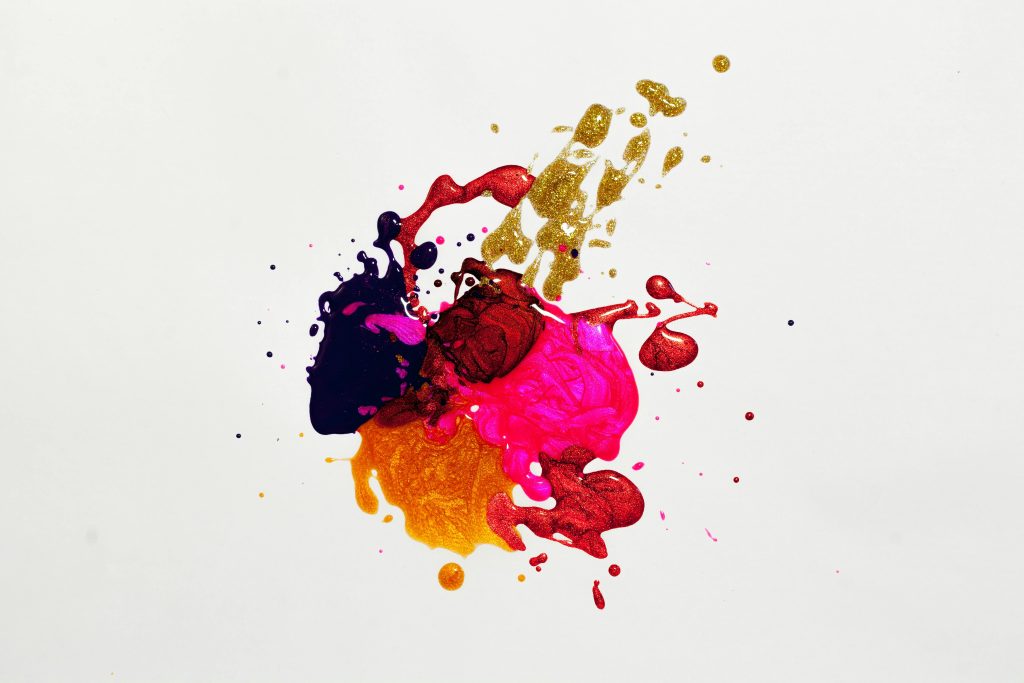
Unlike realism, abstract painting focuses on shapes, colors, and forms rather than accurate representation. It allows artists to express emotions and ideas without depicting a clear subject. Famous abstract painters like Wassily Kandinsky and Jackson Pollock showed that art can be powerful even when it doesn’t look “real.”
Best for: Creative freedom, modern art lovers, and emotional expression.
3. Impressionism

Impressionism originated in 19th-century France and is known for its use of light, color, and quick brushstrokes. Instead of capturing fine details, impressionist paintings focus on the overall impression of a scene. Claude Monet’s “Water Lilies” is a great example of this style.
Best for: Landscapes, nature, and outdoor scenes.
4. Surrealism
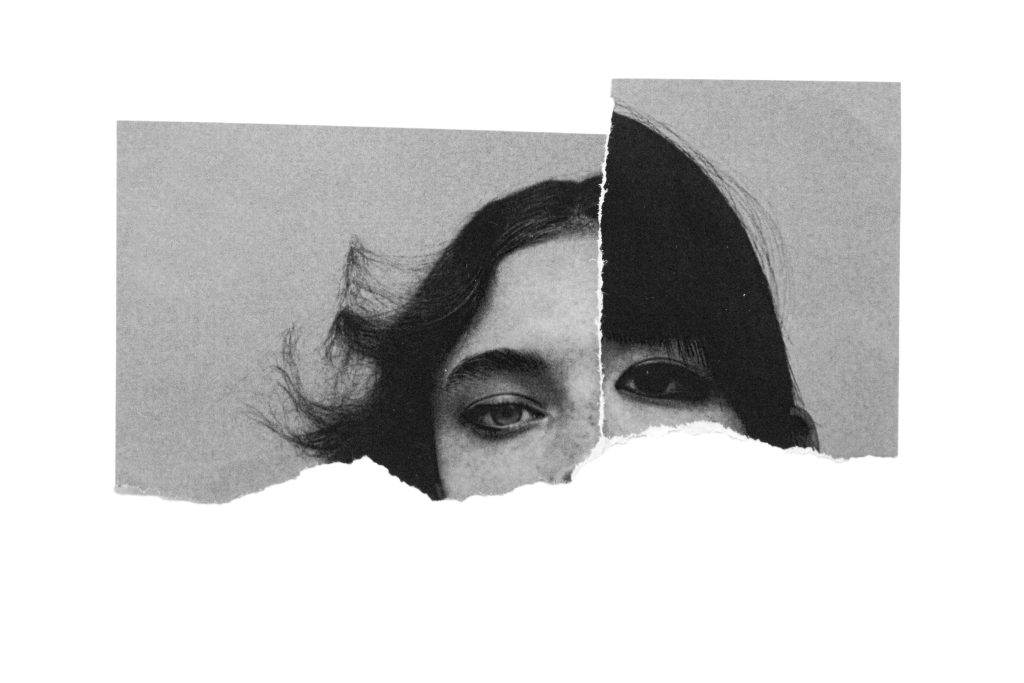
Surrealism combines dreamlike elements with reality. Inspired by psychology and imagination, surrealist paintings often look mysterious and unusual. Salvador Dalí’s melting clocks in The Persistence of Memory are a perfect example.
Best for: Imaginative concepts, dream-inspired artwork.
5. Expressionism
Expressionism focuses on emotions rather than reality. Artists use bold colors, distorted shapes, and dramatic brushstrokes to express their inner feelings. It’s more about mood and personal expression than accuracy.
Best for: Emotional and bold artwork.
6. Cubism
Cubism breaks objects into geometric shapes and shows them from different angles. Pablo Picasso started this style. It looks modern and unique.
Best for: Modern art lovers and abstract thinkers.
7. Digital Painting
Digital painting uses computers, tablets, and software to create art. It mixes traditional painting techniques with modern technology. Digital art is popular in illustration, animation, and online portfolios.
Best for: Modern artists and commercial art.
8. Watercolor Painting
Watercolor paints are mixed with water to make soft and transparent effects. They are light and easy to use. Watercolors are great for landscapes, flowers, and small projects.
Best for: Beginners and delicate artworks.
9. Oil Painting
Oil painting is an old and respected art form. Oil paints take longer to dry, which lets artists blend colors and create depth. Famous artworks like Leonardo da Vinci’s Mona Lisa were made with oil paints.
Best for: Professional artworks and portraits.
10. Acrylic Painting
Acrylic paints dry quickly and are easy to use. They can look like oil or watercolor. Many modern artists like acrylic because it is flexible and easy to work with.
Best for: Modern art and experiments.
11. Madhubani (Mithila) Art
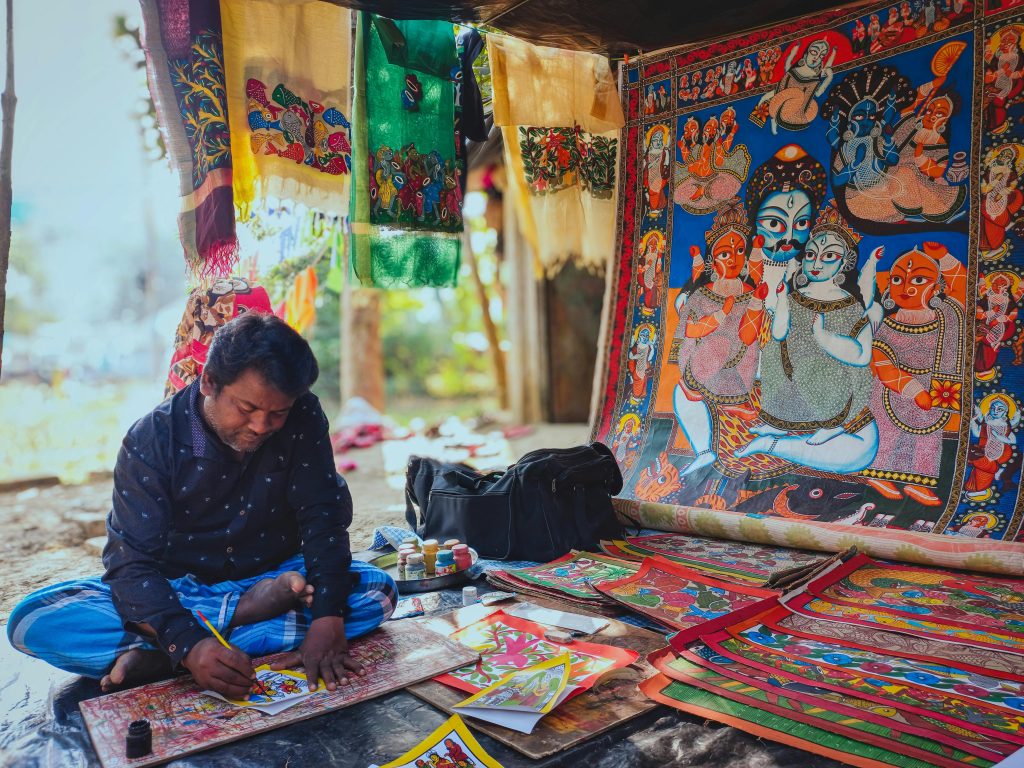
Madhubani art, also known as Mithila painting, is rooted in the cultural heritage of Nepal and northern India. Created primarily by women using natural pigments and tools like twigs, matchsticks, or fingers, these paintings feature bold geometric patterns and are often crafted for significant life occasions—such as marriage or festivals. The vibrant rituals they celebrate make them both visually captivating and culturally meaningful.
12. Polyptych Format in Art
A polyptych is an artwork made of multiple panels—diptychs, triptychs, or larger configurations. Originating in medieval and Renaissance altarpieces, these works present a central panel flanked by hinged wings, often depicting religious narratives in a multi-scene format.
13. Genre Painting: Everyday Scenes on Canvas
Genre painting—or petit genre—depicts scenes from daily life: domestic interiors, markets, celebrations, or street gatherings. This style provides a window into social history by immortalizing ordinary moments through paint.
Why Learning About Different Types of Paintings Is Useful
Understanding the different types of paintings not only helps you appreciate art better but also allows you to experiment as an artist. Each style has its own beauty, history, and techniques. Whether you love the realistic touch of portraits or the freedom of abstract art, there’s a painting style for everyone.
Final Thoughts
Painting is a timeless art that keeps changing. From realism and impressionism to digital art, every style shows creativity in its own way. Beginners can start with simple techniques like watercolor or acrylic. Art lovers can explore galleries to see the styles in real life.
No matter what style you like, the world of painting has endless opportunities for learning, creativity, and fun.